
About the organizers

The World Ayahuasca Forum is the result of a historic collaboration between the Yorenka Tasorentsi Institute (IYT) and ICEERS—two distinct but converging forces united by a shared commitment to intercultural dialogue, traditional Indigenous medicine stewardship, and Indigenous leadership.
This alliance marks a turning point: transforming years of parallel work into a joint endeavor rooted in mutual respect, co-governance, and a vision for ethical futures. Read on to learn more about the journeys and values that bring these two organizations together.
Yorenka Tasorentsi Institute
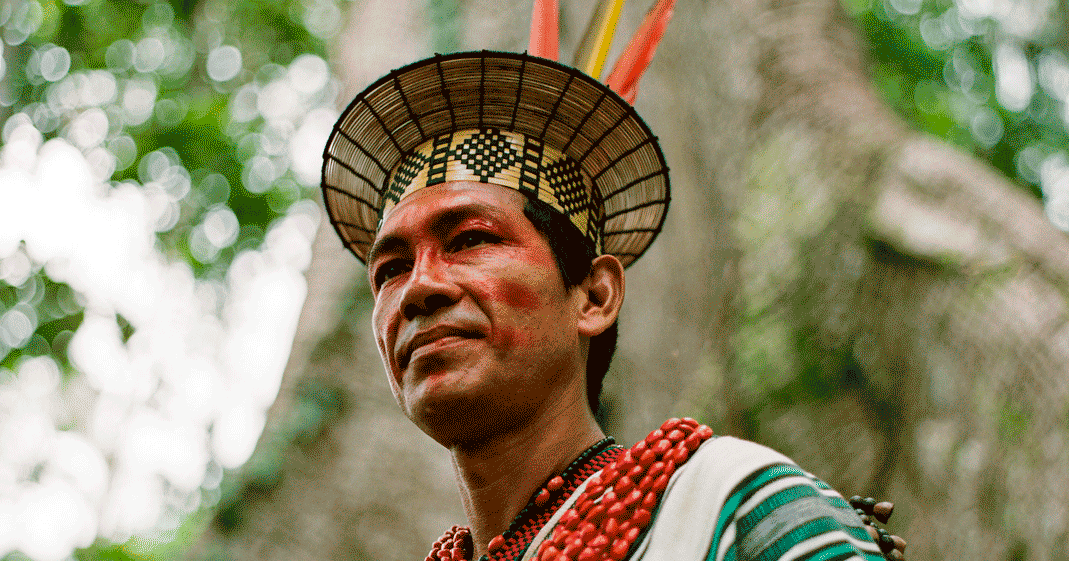
The Yorenka Tasorentsi Institute was founded in 2018 by Ashaninka leader Benki Piyãko, with the mission of addressing ecological, cultural, and social issues in an integrated way. The Institute develops an agroforestry system model that combines Ashaninka techniques with modern ones, adaptable to global contexts, and prioritizes conscious and sustainable practices.
With a particular focus on the regeneration and preservation of the Amazon rainforest’s biodiversity, Yorenka Tasorentsi seeks to ensure a future in which all living beings can coexist in harmony with nature. In addition, the Institute works to support food security for the population of Marechal Thaumaturgo, promoting the protection and strengthening of Indigenous knowledge and environmental awareness at both local and global levels. The Institute is committed to being an agent of change, uniting communities and promoting the appreciation of Indigenous culture and wisdom in harmony with environmental preservation.
Another key focus of the Institute is contributing to social mobilization and the protection of essential and collective rights of Indigenous peoples. Since its founding, it has become a reference in this field. The protection, appreciation, and clarification of spiritual knowledge and its material and immaterial practices, as well as the knowledge and ethical use of their sacred medicines, are among the Institute’s main areas of action. Evidence of this is seen in the ongoing efforts to organize Indigenous spiritual leaders as sources of wisdom and conscious, healthy practices in the use of these medicines.
A central example of this is the creation and ongoing facilitation of the important event known as the Indigenous Ayahuasca Conference, which has been taking place since 2017. This event has grown in importance among leading Indigenous spiritual leaders, who, through a participatory and consensus-based process, set forth agendas and mobilizations. In this process, the Yorenka Tasorentsi Institute (IYT) has served as the main architect, advocate, and executor of many of these demands. At the 5th Indigenous Ayahuasca Conference, held in January 2025 in the Sacred Village of the Yawanawá people, the Indigenous communities present decided that IYT would continue leading this initiative and its post-conference agendas.
The Institute also continues to advocate for the legal protection and recognition of these knowledge systems and their struggles. This effort has become increasingly essential in light of the growing interest from pharmaceutical corporations and other organizations seeking to appropriate genetic knowledge and the techniques used to prepare these medicines. These commercial practices are predatory and extractive, often taking the form of patents, registrations, and other mechanisms that fail to recognize—or worse, exploit—these knowledges at the expense of the Indigenous peoples, who are the rightful holders of this wisdom and the ancestral rights associated with it. Moreover, such practices violate the right to free, prior, and informed consent as provided for in ILO Convention 169.
For more, see: https://yorenkatasorentsi.org/
Follow us here: Instagram link here
ICEERS

ICEERS is a hub for safety, advocacy, and dialogue around Indigenous plant-based medicines. As these traditions are experiencing unprecedented global appeal, they offer transformative opportunities — but also profound challenges, facing risks from misrepresentation, misapplication, and the absence of robust and ethical standards of practice.
For over 15 years, ICEERS has operated at the junction of grassroots movements, Indigenous communities, and policy-makers — navigating the complexities of plant medicine globalization. We bridge cultures, disciplines, and worldviews, serving as both steward and mediator in the evolving landscape of plant medicine globalization.
Today, ICEERS is increasingly focused on alliance-building, intercultural dialogue, and global network cultivation. We support the recognition of Indigenous medicines as legitimate cultural practices and collaborate with national and international bodies to ensure they are protected rather than criminalized.
Our work focuses on three core, interconnected areas:
Mitigating Harms and Consequences
Our front-line programs offer legal defense, crisis support, and harm reduction. We’ve handled over 390 legal cases in 47 countries, assisted thousands through our El Faro Support Center, and provided training to over 1,000 facilitators and health professionals. We also support Indigenous-led efforts to safeguard territories, knowledge, and culture.
Co-Creating Ethical Pathways
Through initiatives like the Community Practices Framework, we have supported community-led self-regulation more than 60 gatherings across a dozen countries, accompanying more than 1000 facilitators — cultivating cultures of accountability and care. We are now in the early stages of co-creating a consensus-driven framework for ayahuasca regulation and stewardship adaptable to diverse contexts — to support ayahuasca practices in becoming ethically grounded, respecting cultural diversity, aligned with public health principles, and remaining rooted in the spiritual, cultural, and ecological systems from which they originate.
With the Alliance of Knowledge Systems, we promote epistemic diversity—fostering intercultural dialogue and inclusive, co-creative approaches to global challenges. By weaving alliances between the diversity of knowledge systems that plant medicines are part of, we can — in complementary ways — jointly analyze the root causes of our global crises, learn from each other, and allow for deeper understandings to emerge, which will further guide our strategies and our work.
International Monitoring and Research
We track global trends in plant medicine use, generating data that informs court cases, policy reform, and public discourse. Our insights help shape safer, more respectful practices and regulations. We have helped mobilize knowledge through over 100 publications, reports, and harm reduction and integration courses, the latter attended by more than one thousand plant medicine facilitators and public & mental health professionals.
For more info, see: https://www.iceers.org/en/
