


Atira Tan is a TEDx speaker, author, somatic trauma specialist, educator, and humanitarian with over 20 years of experience supporting survivors of complex trauma, sexual abuse, trafficking, war, and displacement. As the founder of Art to Healing, she has led trauma recovery programs that have served thousands of survivors across Asia and the Pacific.
Atira is a pioneer in trauma-informed psychedelic education. She developed the Trauma-Informed Plant Medicine Facilitator Training and the Somatic Plant Medicine Integration Program, training more than 1,000 facilitators worldwide. She spent seven years as Director of Preparation and Integration at AYA Healing Retreats, and teaches on faculty with Synthesis, ICEERS, BMed, Inward Bound, Kiyumi, and other leading organizations.
She currently co-directs the Somatic Psychedelic Facilitator Certificate with The Embody Lab and serves as a board director with Nectera, a not-for-profit offering free and accessible psychedelic integration support.
Born in Singapore and raised in Melbourne, Atira divides her time between Thailand and Spain while completing her PhD in Switzerland at EGS.
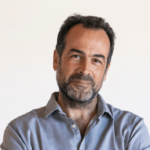
Jerónimo Mazarrasa is Program Director at the ICEERS Foundation, where he is committed to maximizing the benefits and minimizing the harms of the globalization of ceremonial plant practices.
He has worked with facilitator communities in self regulation processes, developed harm reduction tools, initiatives and trainings, commissioned scientific research as well as legal and policy reports to inform proposals for the integration of ceremonial plant practices in global north societies.
Previous to that, he was a user experience designer developing products and services for many of Spain's largest companies.He also wrote and produced four documentaries on various aspects of the West's encounter with Indigenous knowledge, from ayahuasca in the treatment of drug addiction, featuring Gabor Maté, to Colombia’s Kogi Mamos, the Brazilian ayahuasca religions, and Bruce Parry’s last feature film, Tawai.
He has travelled extensively through South America, researching a broad spectrum of Indigenous, mestizo and Western ayahuasca practices and has lectured internationally on the past, present and future of the globalization of traditional Indigenous medicines.
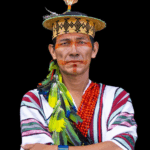
Benki Piyãko is an important leader of the Ashaninka People of the Amônia River, widely recognized as a social entrepreneur, environmental activist, and human rights defender. In addition to being an Indigenous spiritual leader, he is one of the founders of the Indigenous Ayahuasca Conference. As President of the Yorenka Tasorentsi Institute, in Marechal Thaumaturgo, Acre State, he carries out activities in reforestation of degraded areas, fish farming, and the education and awareness of local and global society about environmental protection and the strengthening of Indigenous culture.
As a guardian of the ancestral traditions of his people, Benki is committed to sharing knowledge about the forest, traditional medicine, and Ashaninka spirituality. He is an influential voice in national and international forums and coordinates local and global initiatives focused on environmental protection, including the preservation of river springs and the strengthening of Indigenous communities both in Brazil and in other countries. In addition, he is widely recognized for his wisdom, his ability to engage in dialogue, and his unwavering commitment to preserving the planet’s environmental and cultural heritage.

Attend