

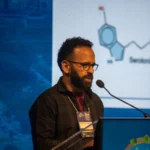
Rafael Guimarães dos Santos is a tenured professor (Professor Doutor) in the Psychiatry Division of the Ribeirão Preto Medical School at the University of São Paulo (FMRP-USP), Brazil. He is a researcher at the National Institute of Science and Technology for Translational Medicine and coordinates the Phantastica Lab (Laboratory of Studies with Psychedelic Hallucinogens in Mental Health).
Over the past 20 years, he has conducted clinical research on the effects of ayahuasca in healthy volunteers and in patients with social anxiety, post-traumatic stress, cancer-related depression, and treatment-resistant depression. In 2025, he was recognized by a Stanford University survey as being among the world's top 2% most-cited scientists. He has been a member of the ICEERS Advisory Board since 2012.
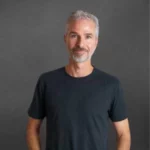
Dráulio Barros de Araújo is a physicist and neuroscientist, and a full professor at the Brain Institute of the Federal University of Rio Grande do Norte (UFRN). For the past two decades, he has been researching altered states of consciousness, with a particular focus on the study of ayahuasca and DMT using neuroimaging techniques, electroencephalography, and assessments of subjective experience. He is widely recognized for his pioneering research on the brain effects and therapeutic potential of these substances, especially in the context of treatment-resistant depression, bridging science, mental health, and Indigenous knowledge.
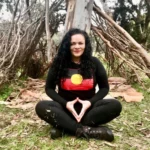
Jem Stone is a First Nations woman of the Bundjalung Nation whose work bridges Indigenous knowledge systems, trauma-informed care, and integrative therapeutic modalities within the field of psychedelic therapy. She is the Co-founder and Director of Indigenous Psychedelic Assisted Therapies (IPAT), where she leads pioneering approaches that weave Indigenous wisdom into psychedelic-assisted care through cultural training, consultancy, and a trauma-integrated, culturally informed healing approach.
Jem is involved in Australian psychedelic trials and has contributed as a member of the Australian Clinical Practice Guidelines Committee, helping to shape culturally inclusive frameworks for psychedelic-assisted therapies in Australia.
Her contributions extend into research and academia, including published work in the Australian and New Zealand Journal of Public Health on cultural responsiveness in psychedelic medicine, as well as a co-authored study with Deakin University, Weaving Wayapa with Cognitive Behavioural Therapy, published in the Australian Psychology Journal (2024).
Grounded in Indigenous wisdom and committed to creating safe, inclusive, and transformative healing environments, Jem is dedicated to advancing the field of psychedelic therapy through culturally responsive, trauma-informed, and integrative approaches.
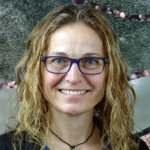
Pamela Kryskow, MD is a medical doctor, psychedelic medicine researcher, and university instructor. She serves as the medical lead for the nonprofit Roots To Thrive Psychedelic Assisted Therapy Programs, which provide therapeutic support for individuals experiencing PTSD, depression, anxiety, addiction, and end‑of‑life distress.
She is a founding board member of the Psychedelic Association of Canada and the Medical Chair of the Post Graduate Certificate in Psychedelic‑Assisted Therapy at Vancouver Island University. Dr. Kryskow is also a clinical instructor at the University of British Columbia and an adjunct professor at VIU.
Her research focuses on the therapeutic applications of psilocybin, MDMA, ketamine, microdosing, and mental wellness among frontline healthcare workers and first responders. Before studying medicine, she worked as a City of Coquitlam firefighter and as a provincial forestry firefighter.
Outside clinical work, she enjoys forest hiking, ocean kayaking, growing kale, and daydreaming in a hammock. She is of Polish, Ukrainian, and German heritage, and resides on the traditional unceded territory of the Klahoose First Nations.

Attend